
John Vane Science Centre
Funded by the MRC DTP
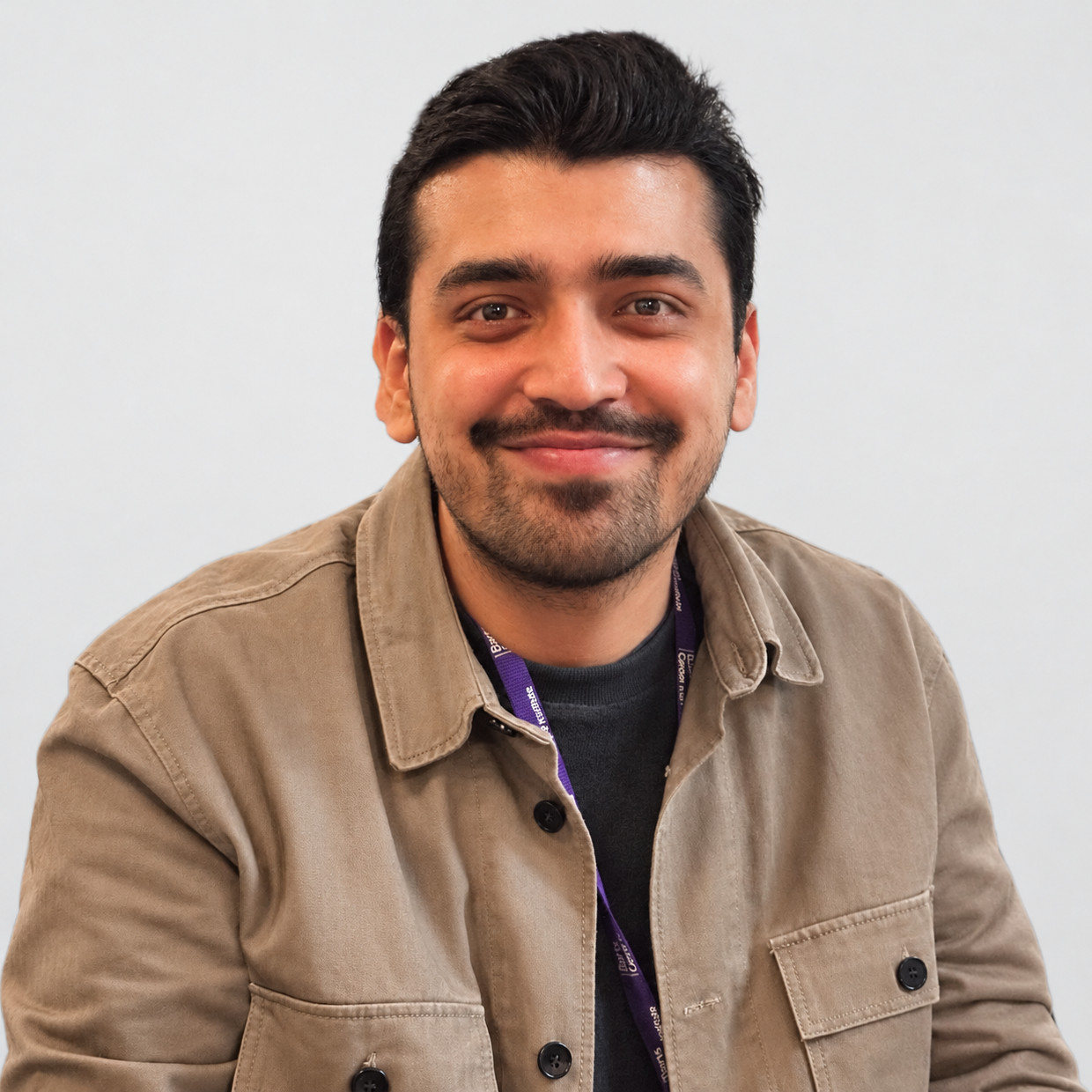
Which rotation did you decide to pursue for your PhD project and why did you choose it? For my PhD, I chose the project “Understanding the dependencies of lipid and sterol metabolism in cancer” in Dr Barrie Peck’s lab. The project explores the vulnerabilities that cancer cells develop through their reliance on lipid metabolism, particularly sterols, for survival. Cancers such as clear cell renal cell carcinoma, breast cancer and pancreatic ductal adenocarcinoma (PDAC) show dysregulated lipid and sterol metabolism. Our aim is to identify targets within these pathways and develop new tools to exploit these dependencies, ultimately leading to better translational therapies.
What skills have you developed so far? The three rotations were extremely valuable in helping me build a new set of skills, including transcriptomic data analysis (bioinformatics), mass spectrometry, siRNA screens and large-scale drug screening.
How have you found the mathematic/computational component of the DTP? The Computational Bioinformatics module was especially important for me. It gave me a solid foundation in the fundamentals of bioinformatics, which I then applied in my third rotation to analyse large transcriptomic datasets.
What have you enjoyed most about your experience so far? What have you found challenging? The best part for me has been the freedom to choose my project independently. The programme is very student-led, which gives us the freedom to make our own choices and helps us develop into well-rounded researchers. The most challenging part was the first three months, when the lectures, project work and bioinformatics modules all ran at the same time. However, planning ahead and being proactive made it much more manageable.
AI for the Life Sciences
Funded by the MRC DTP and Institute for Life Sciences (IfLS)
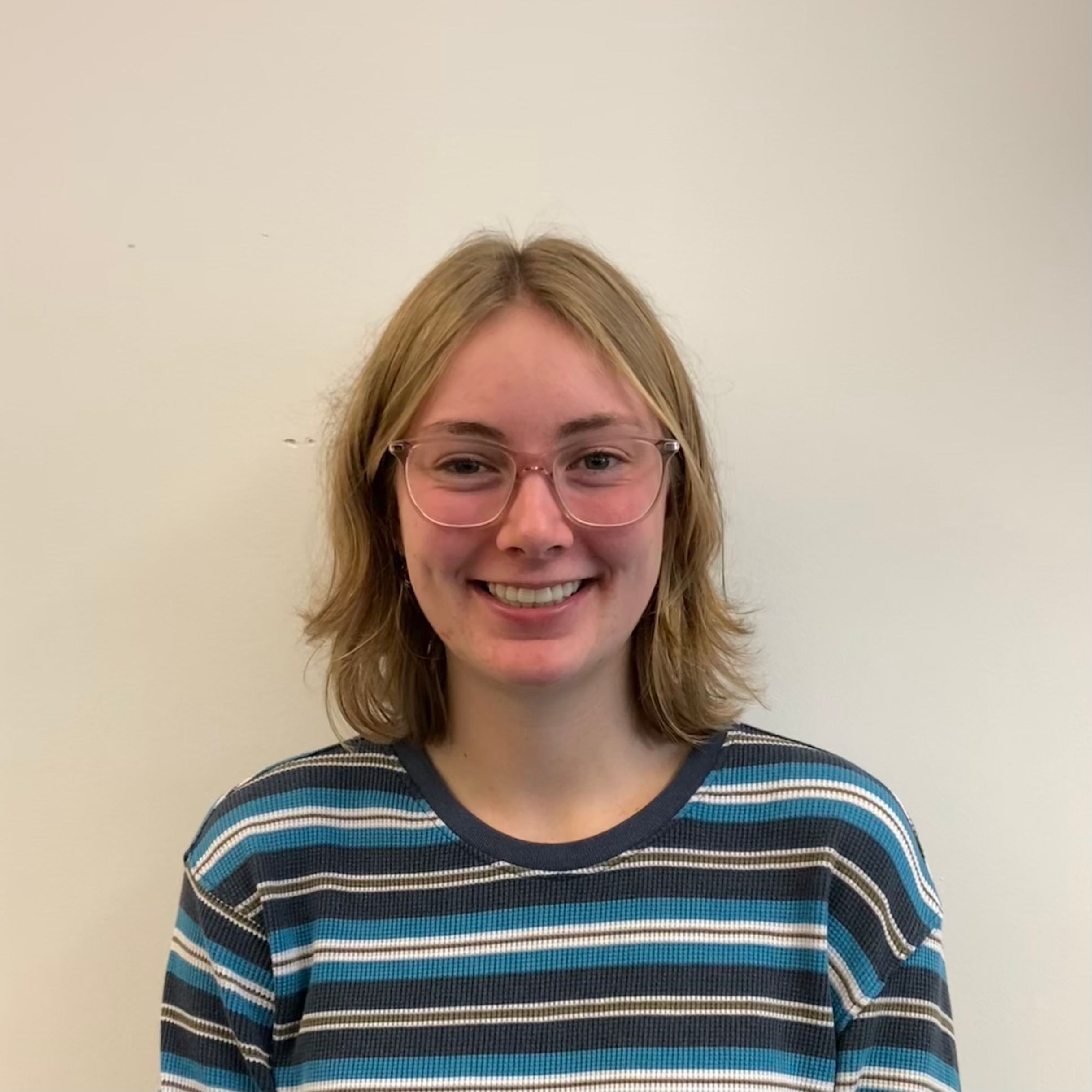
Which rotation did you decide to pursue for your PhD project and why did you choose it? I joined the DTP as a pre-defined project, with a focus on gene regulatory networks that drive early development in humans. Instead of picking each lab rotation, I worked with my two supervisors to pick rotation project topics that would develop three skills useful for the PhD project. This covered single cell RNA sequencing data analysis, machine learning, and stochastic modelling across R and python coding languages. This prepared me for year 2 of the iPhD and enabled me to think about how I could apply these to ‘bridge a gap’ in my PhD research topic.
What skills have you developed so far? I have a fully computational PhD project. When I joined the DTP programme, I only had experience in R studio coding language and analysing bulk RNA sequencing data. After carrying out the rotation projects, I gained experience in Python coding language, machine learning, and mathematical modelling using single cell RNA sequencing and proteomics data. This covered topics across stem cell biology and transcriptomics. This provided me with the confidence and experience to consider what I wanted the structure of my PhD project to look like.
How have you found the mathematic/computational component of the DTP? The data carpentry course and the Quantitative Cell Biology module was very valuable. I learnt how to set up and use GitHub to back up my code, the typical analysis for bulk RNA sequencing data, and how this analysis is different for single cell RNA sequencing data. This was a challenging module, but it was a good opportunity to meet with the cohort, feel a part of the PhD community, and dedicate a full day a week to focus on improving these computational skills. The module provided a lot of support from current PhD students and the module leads. This was a supportive environment to learn and ask questions.
What have you enjoyed most about your experience so far? What have you found challenging? I have enjoyed conducting three completely different rotation projects in the first year. I am usually based in the life sciences building where I conducted two of my rotation projects. I particularly liked one of my rotations with my second supervisor in the mathematics department. I applied maths theory and stochastic modelling, a completely different approach compared to my other rotations. With no background in maths, I found this particularly challenging but incredibly rewarding. Stepping out of my comfort zone with the support of my supervisors, the lab team, and the DTP cohort has made me a better researcher and has been a highlight of my first year. Moreover, the life sciences department and faculty of medicine provide plenty of opportunities to attend seminars, research groups, and conferences/poster sessions. This is an important part of the PhD and has helped me develop how best to communicate my research to different audiences.
Neurological Diseases
Funded by the MRC DTP
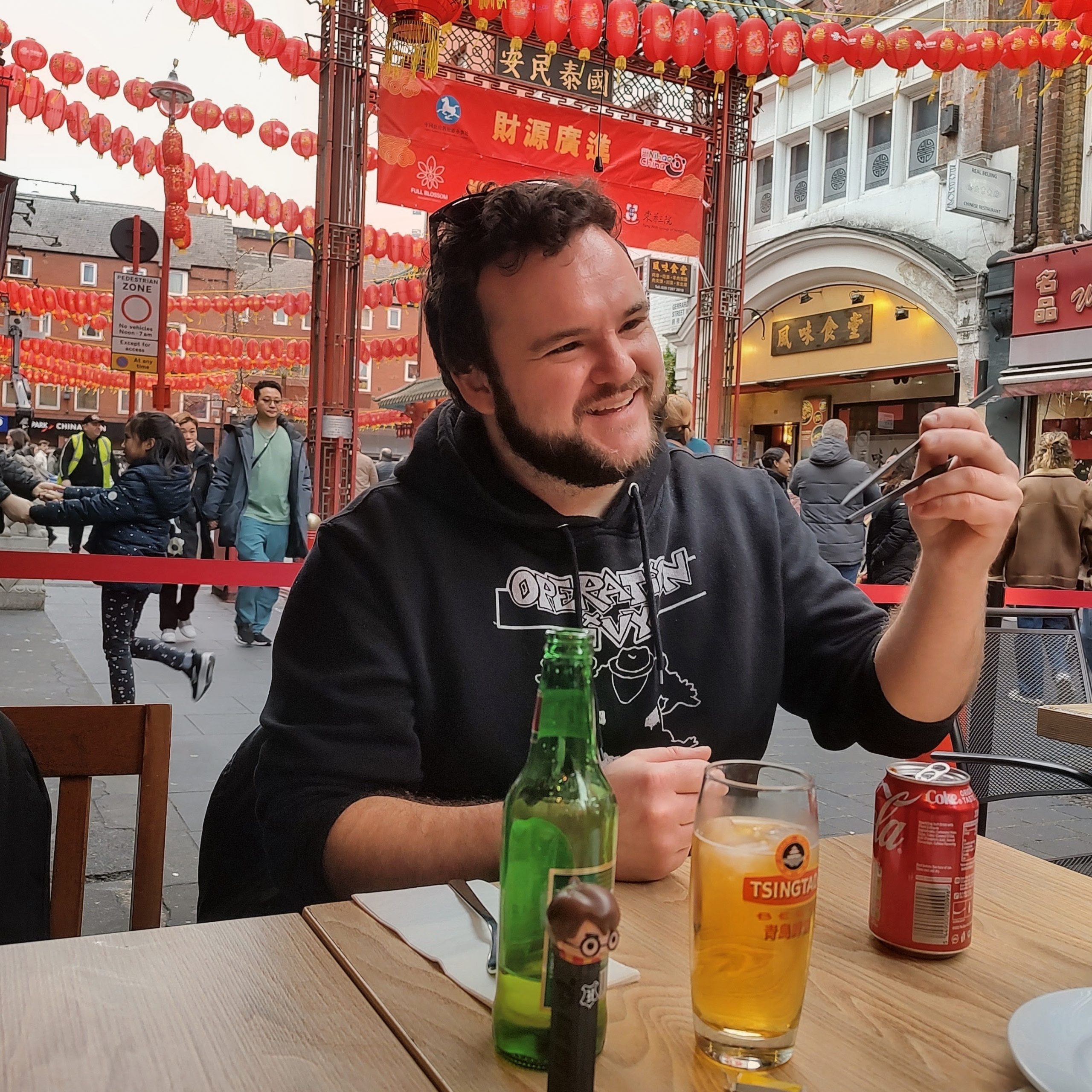
Which rotation did you decide to pursue for your PhD project and why did you choose it? I really enjoyed all the rotations. My second project investigated how microglia, the brain’s resident immune cells, interact with pathological tau fibrils in vitro. Tau pathology is a hallmark of several dementias, including Alzheimer’s disease, which I have always aspired to specialise in. The research also yielded interesting results, leading to it being carried forward into my PhD project. Working in Prof. Diego Gomez-Nicola’s lab, I’ll be exploring the contributory role of microglia to tau-associated neurodegeneration in Alzheimer’s disease and genetic forms of Frontotemporal dementia.
What skills have you developed so far? All my rotations were quite different to each other, enabling me to develop a range of new techniques in molecular biology, histology, bioinformatics, microscopy, and image analysis. The research projects and journal club sessions also sharpened my critical thinking, academic writing, and literature review skills. I found lab meetings to be especially valuable for building my confidence in presenting research, engaging in scientific discussions, and learning how to ask the right questions. We learnt so much in just one year, and I’m excited to put all these skills into practise during my PhD.
How have you found the mathematic/computational component of the DTP? While I had some previous coding experience, completing the “Quantitative Cell Biology” module was undoubtedly the steepest learning curve of the year, so it was good to get it out of the way before Christmas! Although challenging, the teaching was excellent and the sessions were highly interactive, so I couldn’t have asked for better guidance. I knew how important bioinformatics would be for my PhD project, and I feel much more confident tackling the computational aspects of my research now.
What have you enjoyed most about your experience so far? What have you found challenging? I’ve really enjoyed being afforded the freedom to try new things, experience different labs and research environments, while ultimately choosing the direction I want to take my research in. It’s been a privilege that I haven’t taken lightly and tried to make the most of. Being part of a supportive cohort is a real gamechanger, especially when you realise everyone else is winging it too! Meeting the other DPT students during the 2025/26 away days was another highlight. Everyone was friendly and encouraging, and by the end of the event you felt a real sense of belonging. Shout-out to the DTP staff too, especially Jazz, Sandrine, and Ramona, who are genuinely caring and always engage with you positively. The most challenging parts of the year were probably the QCB and Immunity & Infection modules, both of which were steep learning curves. Organising all the inductions required before starting lab work was always a pain too!
Centre for Cancer Cell & Molecular Biology
Funded by the MRC DTP
Which rotation did you decide to pursue for your PhD project and why did you choose it? I chose to pursue my PhD with Dr Pedro Monteiro exploring cell membrane dynamics and how this may contribute to chemotherapeutic resistance mechanisms. Specifically, my project aims to assess how caveolae, clathrin-coated pits, focal adhesions and invadosomes interact with each other and remodel in response to chemotherapy, and whether these changes may actively drive resistance. Understanding the mechanisms driving chemotherapy resistance is crucial as this remains one of the most significant barriers to durable treatment response in the clinic.
What skills have you developed so far? Across my three rotations I had the opportunity to learn a wide range of cell and molecular biology techniques, including tissue culture, RT-qPCR, flow cytometry and a number of 2D and 3D assays. Most recently, my work has heavily focused on fixed and live cell microscopy and developing image analysis pipelines. In addition to lab skills, I have been able to work on my transferable skills, including my critical thinking, scientific writing and presenting my work to a wider audience.
How have you found the mathematic/computational component of the DTP? Coming into the DTP I had no computational experience, so the quantitative cell biology module was a brilliant starting point to understand how running a bioinformatics pipeline works, and the reasoning behind decisions you have to make to do this. With this basis, I was able to implement a full RNAseq analysis into one of my rotations and would like to include these tools alongside my wet lab work in my PhD.
What have you enjoyed most about your experience so far? What have you found challenging? What I have most enjoyed so far is the lab work itself, and in particular being part of such a high-calibre research environment where everyone is genuinely passionate about what they do. Being surrounded by people who care deeply about their science makes day-to-day work motivating and enjoyable, and there is always someone willing to help when needed. The most challenging aspect of the first year was settling into a lab and finding my feet, only to move on to the next rotation a few months later. Each move meant adapting to a new project, new techniques and new people. That said, the rotational structure has been fantastic to push me out of my comfort zone and allowed me to learn and gain experience from more groups than I otherwise would have.
Cancer Immunology
Funded by the Cancer Immunology Talent Fund
Which rotation did you decide to pursue for your PhD project and why did you choose it? I have joined Prof. Salah Mansour and Prof. Ali Roghanian for my PhD to investigate a unique immune cell population called invariant natural killer T cells. Specifically, I am looking at how we can engineer these cells to directly target solid cancers which overexpress a molecule called B7-H3, with the aim to develop an effective “off-the-shelf” immunotherapy for patients who respond poorly to current treatments.
What skills have you developed so far? Completing three rotation projects in my first year gave me experience in a wide range of techniques. These included cell culture, flow cytometry, single-cell RNA sequencing analysis, an introduction into protein production, as well as in vivo mouse handling, all of which I can take forwards into my PhD.
How have you found the mathematic/computational component of the DTP? Before starting the iPhD programme I had no experience of coding or bioinformatics. The Quantitative Cell Biology module was challenging at first, but definitely provided a good introduction to skills which are increasingly essential in biomedical research. Not only has it improved my ability to critically interpret published data, but has given me the confidence to incorporate some bioinformatics analysis into my PhD project in the future.
What have you enjoyed most about your experience so far? What have you found challenging? I really enjoyed the rotations as they helped me work out which areas of research I am most interested in. I have also felt very welcomed by the friendly and collaborative atmosphere in the CCI. The most challenging part was definitely trying to balance the rotation projects with the taught modules, however the support from my peers made it much more manageable 😊
Cancer Immunology
Funded by the Cancer Immunology Talent Fund
Which rotation did you decide to pursue for your PhD project and why did you choose it? My PhD project focuses on immunostimulatory monoclonal antibodies for cancer immunotherapy. In particular, I am studying antibodies that target members of the tumour necrosis factor receptor (TNFR) superfamily. I will explore how differences in antibody structure affect the way these antibodies work across different cell types, building on the research I carried out during my third rotation project.
What skills have you developed so far? During my first year of the iPhD, I developed a broad range of skills through the different modules and my three rotation projects. Each project focused on a different area of research, so I had the opportunity to develop skills including tissue culture, flow cytometry, and bioinformatics. I really enjoyed this variety, as it helped me broaden my knowledge, while also helping me discover which area of research I am most interested in.
How have you found the mathematic/computational component of the DTP? I started the iPhD programme with no previous experience in bioinformatics, so the computational component was a steep learning curve. However, the Data Carpentry workshops and the Quantitative Cell Biology (QCB) module offered a great introduction to the world of computational biology and encouraged me to challenge myself by choosing a bioinformatics project for my second rotation. During this project, I analysed single-cell RNA sequencing data, which really helped build my confidence and made me realise how much I enjoyed bioinformatics. This was something I had never expected to pursue when I first started the PhD! I also found the statistics module really useful as a refresher and for strengthening my understanding of statistics.
What have you enjoyed most about your experience so far? What have you found challenging? The most enjoyable part of my experience has been the freedom to explore different research areas and research groups, all while learning more about cancer immunology along the way. One of the reasons I applied to this programme was its taught component, as I didn’t feel ready to dive into a specific PhD project just yet. I wanted to gain more skills while expanding my knowledge at the same time, which is exactly what this programme offered me! As much as I enjoyed the first year and found it incredibly rewarding, balancing my rotation projects alongside the taught modules was definitely challenging.
Cancer Immunology
Funded by the Cancer Immunology Talent Fund
Which rotation did you decide to pursue for your PhD project and why did you choose it? For my PhD project I am working in the Genome Dynamics and Cancer Evolution (GDCE) group, supervised by Professor Tim Fenton. Much of our work as a group centres around APOBEC3A, an enzyme which generates mutations that are prevalent in human cancers and drive tumour heterogeneity and treatment resistance. Despite this, it remains unclear in which cell types and under which biological conditions APOBEC3A causes its damage.
My project will involve a mixture of computational and laboratory work to address this gap. By combining cancer genomic data with laboratory models, my project will identify cell states vulnerable to APOBEC3A mutagenesis and explore the consequences of these mutations, improving our understanding of how APOBEC3A mutations accumulate during the earliest stages of cancer development. This research could ultimately inform approaches for earlier detection and intervention.
What skills have you developed so far? I deliberately chose rotations in different research groups, allowing me to approach a range of biological questions using a diverse set of techniques. Working in a different building on the hospital site for each of my three rotations allowed me to meet researchers across the department, an experience that has developed my confidence. My rotations covered two areas of cancer biology as well as dermatology, allowing me to gain experience in immunology, bioinformatics and tissue engineering techniques. Many of the skills I developed during these rotations are now directly applicable to my PhD project.
How have you found the mathematic/computational component of the DTP? During our first year we all took modules in statistics and bioinformatics. The statistics module strengthened my ability to select appropriate methods for data analysis, a skill which I was not previously confident in. The bioinformatics module was challenging but provided me with a foundation which allowed me to do bioinformatic analysis in two of my rotations and now for my PhD project. These components of the DTP have therefore proven valuable to my training.
What have you enjoyed most about your experience so far? What have you found challenging? The opportunity to get involved in the work of three different research groups during my rotations has been a highlight of my training so far. It is such a unique opportunity to be able to approach a supervisor and to be welcomed into their group for a few weeks. It was a challenge to quickly get up to speed with distinct areas of biology, become competent in new techniques and to produce polished research outputs within a short timeframe, but nonetheless I found this work to be enjoyable and fulfilling. I also have really enjoyed beginning my work in the GDCE group. I am now part of a friendly research team working on biology that genuinely fascinates me, which makes me feel very lucky!